…All Knowledge comes from above
Jokes and truths are usually channeled through the same pipeline. The ones that tell truths are as fearless as the ones that dare to crack a joke about someone. Both, truths and jokes, tend to upset people and tend to be shared around people of a common mindset; because not everyone have the ability to laugh at themselves, the truth is not for everyone.
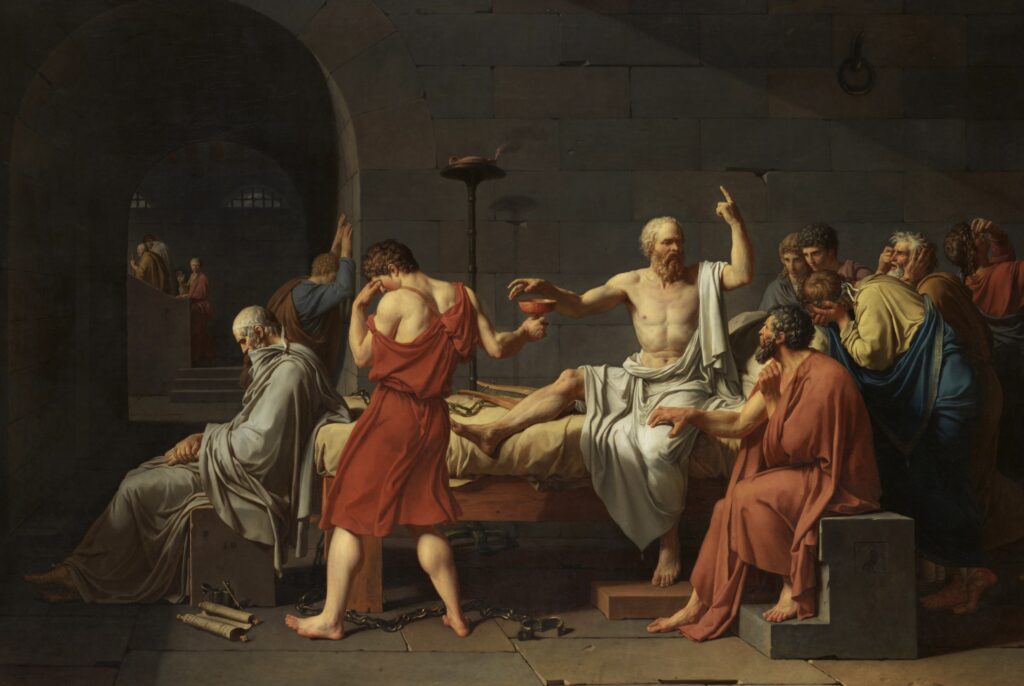
As history teaches us, long ago the traits of minister of clergy and minister of jongleur were assigned with the task of shepherding the minds of the public and reflect our culture. The ministry of Clergy focused on theological leadership, mentorship and ensuring the spiritual and physical well-being of the community.
There are many parallels between both ministries, they act as a sort of a HORN STRATEGY when it comes to “securing” our minds:
*They are both theatrical (The Catholic Mass is historically recognized as the origins of medieval, theater) and theater was also one of the main activities of jongleurs and entertainers.
*They both write, play and sing songs.
*They both use stories, narratives and known characters in mankind’s memories as means to capture attention.
Is worth mentioning that the cleric surged as a more classy alternative for the transmission of the oral traditions of the jongleurs in a more structured form.
Both ministries encompass the customs morality and beauty of humanity.
The importance has to do with reflection, to best interpreting who and what we are. Theater, music, narrative and art in general are the mirror of mankind. By looking at ourselves we learn a readjust.
Kings were known to have a court Jester as the personification of comic relief. The court Jester was often the only person allowed to mock the king or speak harsh truths under the guise of humor. A king is aware and wise enough to know the lack of fear when speaking promotes truth.
The crisis of JESTERday is the joke of today, for laughing at oneself is a skill.
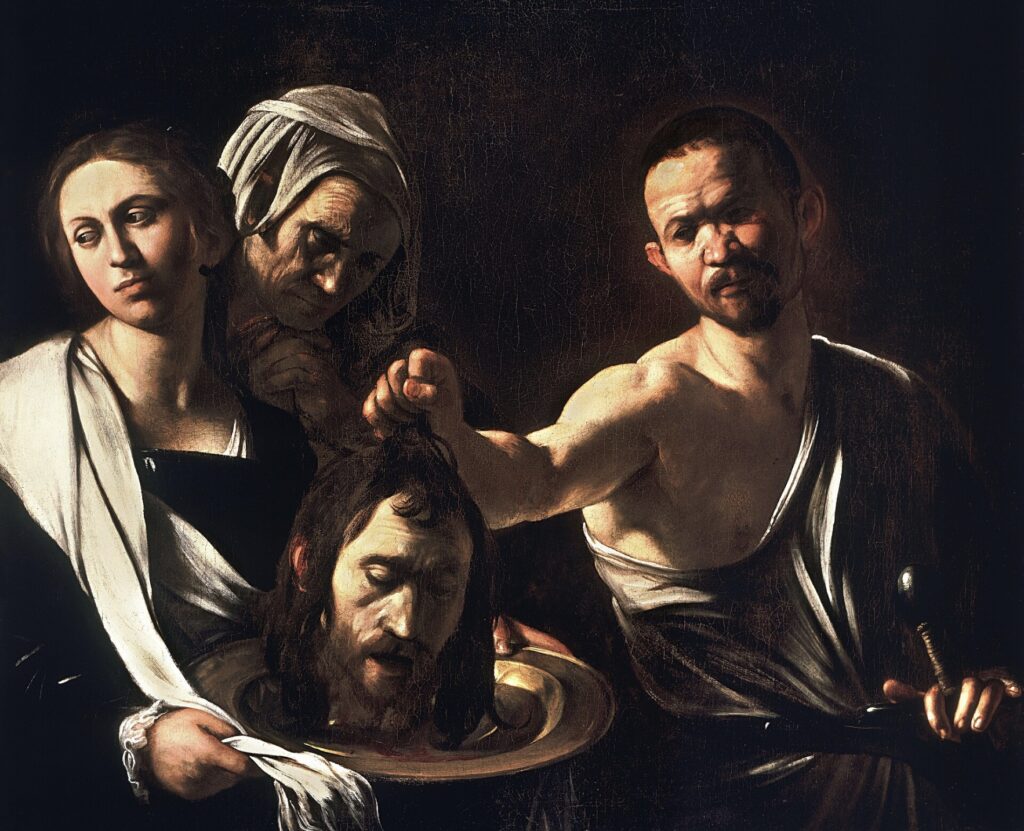
The best story that supports the importance of this concept is “The Emperor’s New Clothes”.
It is a famous folktale about a vain emperor who is tricked by two swindlers into believing he is wearing magnificent invisible clothes that only the stupid or unfit can’t see. The emperor parades through his city, and everyone pretends to see clothes out of fear until a child innocently points out that the emperor is naked, shattering the illusion and reveling the collective delusion.
The Story reveals the dangers of conformity and social pressure, The type of pressure Jokers are not bounded to because of freedom of speech in secular states.
These new times are paradise for spirit of expression.
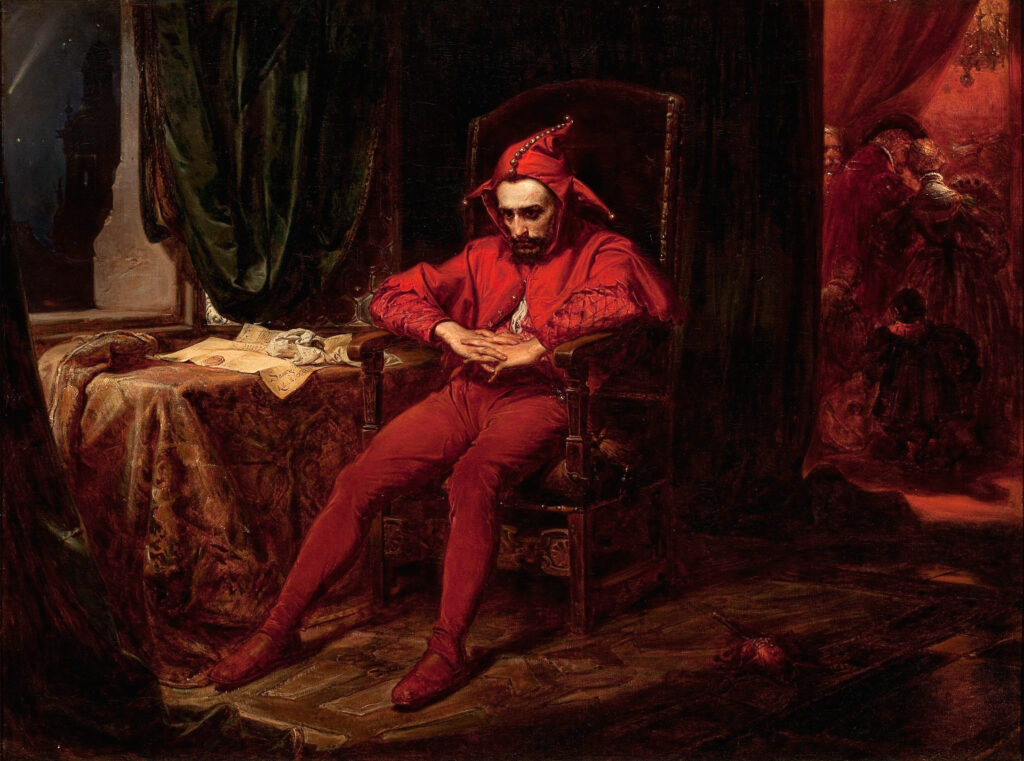
Special thanks to painters: “The Death of socrates” 1787 by Jacques-Louis David “The Coronation of Napoleon” 1807 by Jacques-Louis David. “Salome with the head of John the Baptist” 1607 by Caravaggio. “Stanczyk during a ball at the court of queen bin in the face of the loss of Smolensk” 1862 by Jan Matejko.